Your credit score affects more than you might expect. It can shape your mortgage rate, car loan terms, apartment approval, and even job applications in some states.
If you want to know how to improve your credit score fast, this guide covers eight steps ordered from fastest impact to slower but important long-term moves.
- Lowering credit utilization and correcting report errors are often the fastest ways to improve a credit score.
- Payment history and credit utilization together make up 65% of a FICO credit score.
- Keeping credit utilization below 30% — and ideally under 10% — may help improve scores faster.
- Consistent on-time payments can help build stronger long-term credit history.
What Affects Your Credit Score?
Before diving into the steps, it helps to understand what the five main factors are and how much each one matters.
FICO score is the scoring model used by most lenders. It weighs your credit data in five categories:
| Credit Score Factor | Share of FICO Score |
|---|---|
| Payment history | 35% |
| Credit utilization / amounts owed | 30% |
| Length of credit history | 15% |
| Credit mix | 10% |
| New credit inquiries | 10% |
Payment history and utilization together make up 65% of your score. These are the two fastest levers to pull.
Step 1: Pull Your Credit Reports and Fix Errors
Pull your credit reports from all three bureaus — Equifax, Experian, and TransUnion — at AnnualCreditReport.com. Errors appear more often than many people expect, and a single reporting mistake can drag your score down significantly.
According to a study from the Federal Trade Commission, one in five consumers has an error on at least one of their three credit reports.
Look for these common errors:
- Accounts you did not open
- Incorrect balances or credit limits
- Late payments marked incorrectly
- Accounts that should have fallen off, since most negative items drop after 7 years and bankruptcies after 10
For ongoing credit monitoring across all three bureaus, a few tools worth exploring include Dovly, TransUnion’s direct monitoring service, and Kikoff.
Step 2: Lower Your Credit Card Balances
Credit utilization is the percentage of your available credit you are currently using. It makes up 30% of your FICO score. Lowering it is typically the fastest way to raise your number.
Here is how utilization works in practice: if your credit limit is $5,000 and your balance is $3,000, your utilization rate is 60%. That level can drag your score down considerably. Paying that balance down to $500 drops your utilization to 10%, which could add dozens of points within one to two billing cycles.
| Utilization Target | What It Means |
|---|---|
| Below 30% | Good target on each card and overall |
| Below 10% | Better target on each card and overall |
| 1–9% | Often considered the best scoring range. According to myFICO’s credit utilization guidance, a 0% utilization rate can prevent you from achieving maximum points for the amounts-owed scoring factor. |
Quick win: If you have multiple cards, paying down the one closest to its limit first can give you the most immediate score improvement.
Step 3: Set Up Autopay So You Never Miss a Payment
Payment history is 35% of your credit score — the single largest factor. According to Experian’s analysis of late payment impact, depending on your credit history, a single missed payment can lower your score by a significant number of points, and that impact can linger for years.
One reliable approach is to set up autopay for the minimum payment on every credit card. This keeps you from accidentally missing a due date. From there, manually paying the full balance before the statement closes avoids interest charges entirely.
Step 4: Ask for a Credit Limit Increase
Requesting a higher credit limit from your card issuer can lower your utilization rate immediately, even if your balance stays exactly the same.
Example: a $2,000 balance on a $5,000 limit is 40% utilization. If your limit increases to $8,000, that same balance becomes 25% utilization — with no change to what you owe.
When to Request an Increase
- Your income has gone up since you opened the account
- You have had the card for at least 6 to 12 months
- You have a consistent history of on-time payments
- Your score has improved since opening the account
Some issuers perform a hard inquiry, which is a formal credit check that can temporarily lower your score by a few points, for limit increase requests. It is worth asking whether the request will involve a hard or soft pull before proceeding.
Step 5: Become an Authorized User on a Trusted Account
An authorized user is someone who is added to another person’s credit card account. If a family member or close friend has a long, clean payment history and low utilization, being added to their account can help your score. Their account history may appear on your credit report.
You do not need to use the card. The presence of that account on your report can improve your score, particularly by extending your average credit history.
This only works if the primary cardholder has genuinely good habits. Being added to a maxed-out or consistently late account can hurt your score rather than help it.
Step 6: Keep Old Credit Cards Open
Closing a credit card reduces your total available credit, which raises your utilization rate.
It can also shorten your average account age. Both outcomes can lower your score.
The exception is a card with a high annual fee that no longer provides enough value to justify it. In that case, closing it may be worth the short-term score impact.
For cards with no annual fee, keeping them open and making a small purchase every few months can keep the account active and contributing positively to your history.
Step 7: Limit New Credit Applications
Every time you apply for new credit, the lender typically performs a hard inquiry — a formal credit check that appears on your report. Each one can temporarily lower your score by five points or less, and the effect typically fades within 12 months.
The impact of a single inquiry is small. Multiple applications in a short window can compound, though, and may signal to lenders that you are under financial stress.
Multiple mortgage or auto loan inquiries within a 14 to 45 day window are typically counted as a single inquiry by major scoring models. Comparison shopping for the best rate is considered normal behavior and is not penalized the same way.
Step 8: Build Credit History With a Starter Product
If you have very little credit history or are starting over, a credit-builder loan or secured credit card can help establish a positive track record.
A credit-builder loan is a small loan where you make monthly payments into a savings account and receive the balance at the end. It works in reverse of a traditional loan. The lender reports your on-time payments to the credit bureaus, which builds your history.
A secured card is a credit card backed by a cash deposit that becomes your credit limit. It works like a regular credit card. Use it for small purchases, pay the full balance each month, and your score builds over time.
A few secured and credit-building card options worth comparing include Firstcard, Ava, and Kikoff.
How Long Does It Take to Improve Your Credit Score?
The timeline depends on your starting point and which factors are dragging your score down.
- 1 to 2 billing cycles: paying down balances, correcting report errors
- 3 to 6 months: consistent on-time payments and sustained low utilization
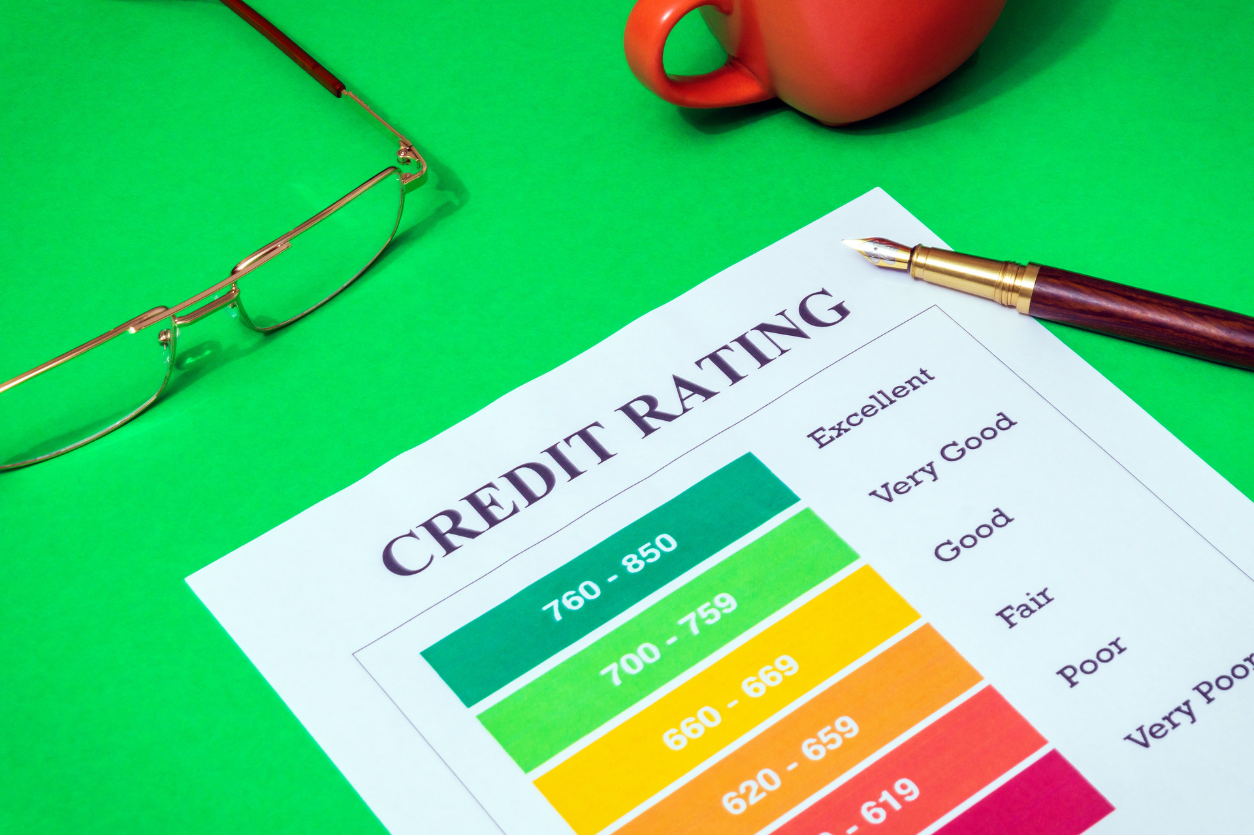
- 6 to 12 months: meaningful gains for scores in the poor range, below 580
- 1 to 2 years: moving from fair, 580–669, to good, 670–739, to very good, 740+
The Bottom Line
Improving your credit score is usually a combination of lowering utilization, making on-time payments, correcting errors, and building a longer credit history. Some changes can show up within a few billing cycles, while bigger improvements often come from consistent habits over time.
Focus first on the factors that matter most: payment history and credit utilization. These two categories make up the largest share of your FICO score and are often the best places to start if you want faster progress.
A stronger credit score can help you qualify for better loan terms, lower interest rates, and more financial flexibility in the future.
Frequently Asked Questions
Some improvements can show up within one to two billing cycles, particularly after paying down balances or correcting reporting errors. Meaningful gains typically take three to six months of consistent on-time payments and low utilization.
Payment history makes up 35% of your FICO score, making it the single largest factor. Credit utilization at 30% is the second biggest lever. Together, these two factors account for 65% of your score.
Paying down credit card balances can raise your score quickly by lowering your utilization rate. Paying off installment loans such as student loans or car loans has a smaller immediate effect but still contributes positively over time.
A single hard inquiry typically lowers your score by five points or less, and the impact fades within 12 months. Multiple applications in a short window can have a larger combined effect.
A 100-point improvement is possible depending on your starting point and what is dragging your score down. Fixing reporting errors and dramatically lowering utilization can produce large jumps quickly for some people. There is no guarantee of a specific outcome, and individual results vary.