1. B- BUY
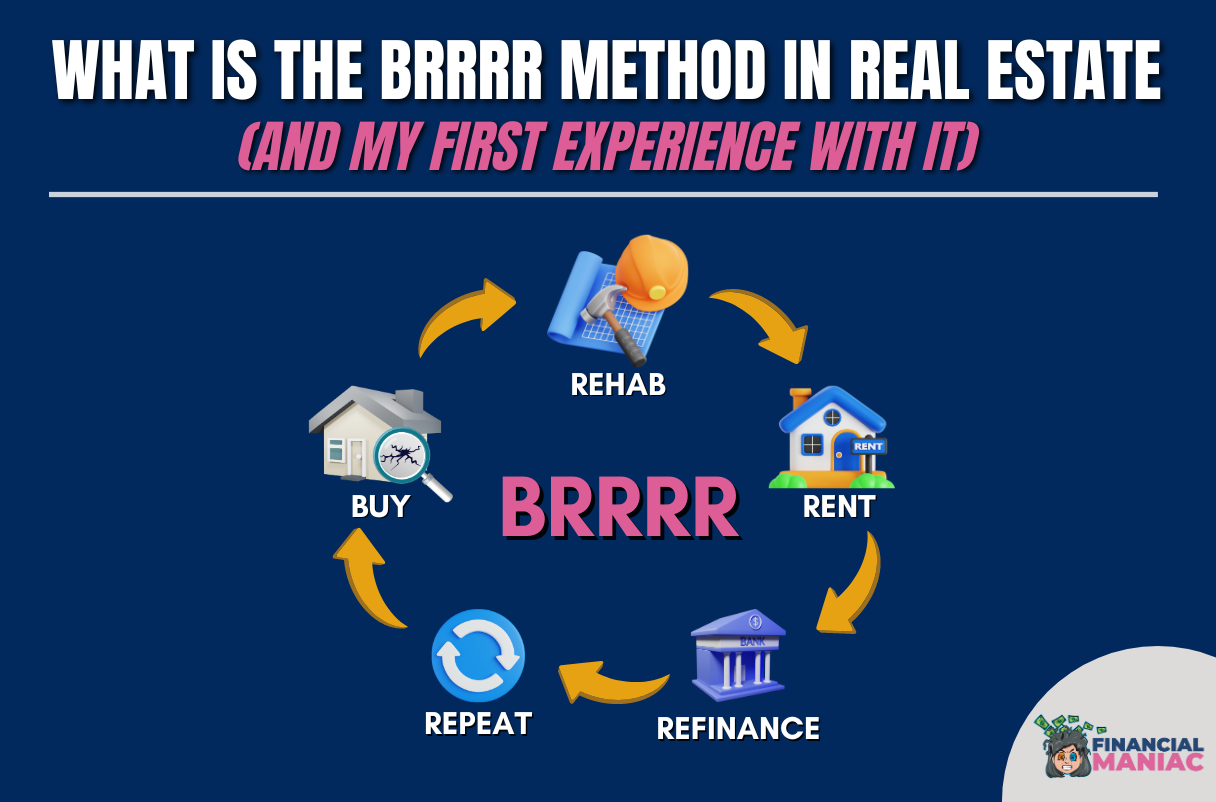
When you buy a property, most lenders will finance up to 75% of the property’s value. If that is not possible, the best holders can aim for is 70% because refinancing by lenders comes with its fair share of expenses such as appraisal and loan processing fees. These expenses are likely to reduce your overall margins, and if you were to go for 75%, you would have no contingency.
However, when you use the BRRRR method, the trick will be to buy properties under the market value and ensure that you don’t invest more than 75% of the property after repair value (ARV).
Several options can help you purchase a rental property, such as cash, a hard money loan, seller financing, or a private loan. Of course, deciding which upfront financing to use is dependent on your financials, but what’s important to note here is that different upfront financing options will result in different acquisition and holding costs.
Therefore, when analyzing a deal to hit your 70% or 75% goal, you need to account for those.
2. R- REHAB

There are two significant questions you should ask yourself when using the BRRRR Method.
First, what should I do to make this house worthy and livable?
The second one is what rehabs do I need to prioritize that guarantee adding value to the property?
Depending on the type of home that you are rehabbing and your target market, there are some items that you can forego to keep your rehab expenses down.
For example, suppose you are not dealing with luxury rentals but an average market home. In that case, avoid going for high-end stainless steel appliances, granite countertops, bay windows, hardwood floors, and other expensive interior finishes.
My top priorities when doing rehab are usually focused on the roofing, landscaping, kitchen, bathrooms, walls painting, floor, bedrooms, ceilings, and any other areas that buyers pay more attention to when searching for a home to buy.
It is important for you or your realtor to analyze the Comparative Sales in your area correctly.
By employing such strategies, I usually manage to make all the necessary repairs below the market value, which has helped me build more equity in my properties.
3. R- RENT
Lenders always prefer to refinance a property that is occupied. Therefore, after rehabbing a property, the next thing to do is to find renters.
You can try to find renters by listing your home on sites like Zillow, Craigslist, Facebook Marketplace, etc.
Conducting due diligence and screening your renters is crucial during this process.
The next step is to contact a lender to conduct an appraisal; it’s essential to communicate with your renter. They can keep the house in good shape when they are informed in advance about the appraisal tour.
Appraisers are more cautious and may downgrade your property unfairly with drive-bys. So, send out or post a note on your tenant’s door about the date and time, and give a reminder call the day before.
4. R- REFINANCE

Not too long ago, it was tough to find a bank that was willing to refinance single-family rental properties.
Now it’s much easier.
After the property is stabilized with a tenant and you have several months of rental history, you can start the process of refinancing. Refinancing can be the most challenging part of the BRRRR method, as certain lenders will have specific requirements for the refinance process.
Try to find a lender to work with once a tenant is in place and know their exact requirements. This will make the actual process much faster and allow you to refinance at the soonest possible point.
Keep in mind that most banks will only loan a portion of the appraised amount in a cash-out refinance, which is typically 75% or less of the appraised value. Even if you know the property is worth more, they will only lend up to a specified amount,
5. R- REPEAT
The final “R” is for repeating the BRRRR method once again. With this cycle, you take everything you have learned and apply the same concept in your future real estate investment projects.
The BRRRR method is the best strategy for building your real estate portfolio and staying one step ahead of your competitors.
My First Experience Using the BRRRR Method
For my first short-term rental, it took me half a year to renovate.
It was meant for a fixer-upper project, but I decided to keep it because it was not worth selling due to the high taxes I was required to pay.
I started with a long-term tenant that was not cash-flowing well.
Then, 6 months after, when I was refinancing the property, I stumbled upon the concept of the BRRRR Method for the first time without noticing.
I’ve been renovating houses for years before this property, renting, refinancing 75% to get my down payment back, and repeating the steps, but never realized I was doing the BRRRR Method. So, it was surprising to me at the time that there was a concept for it.
My First Short Term Rental With Airbnb
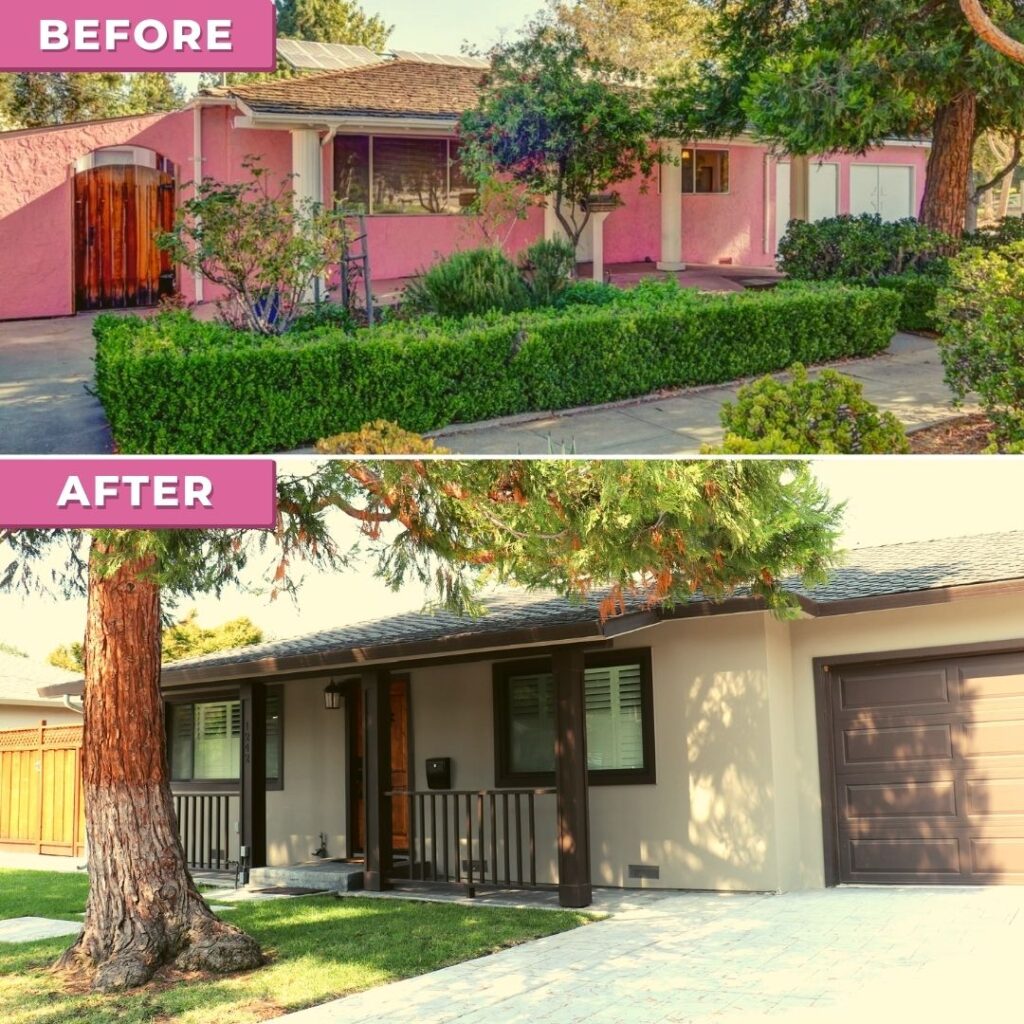
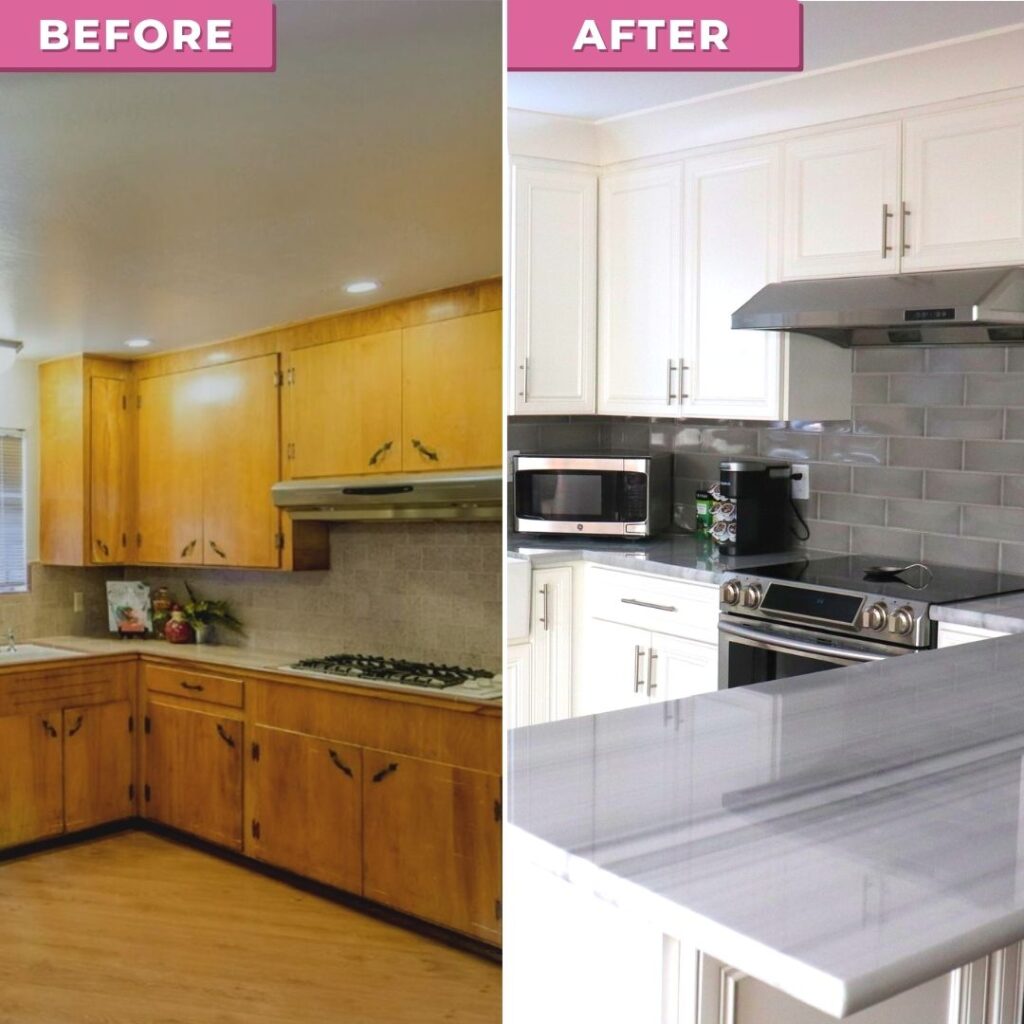
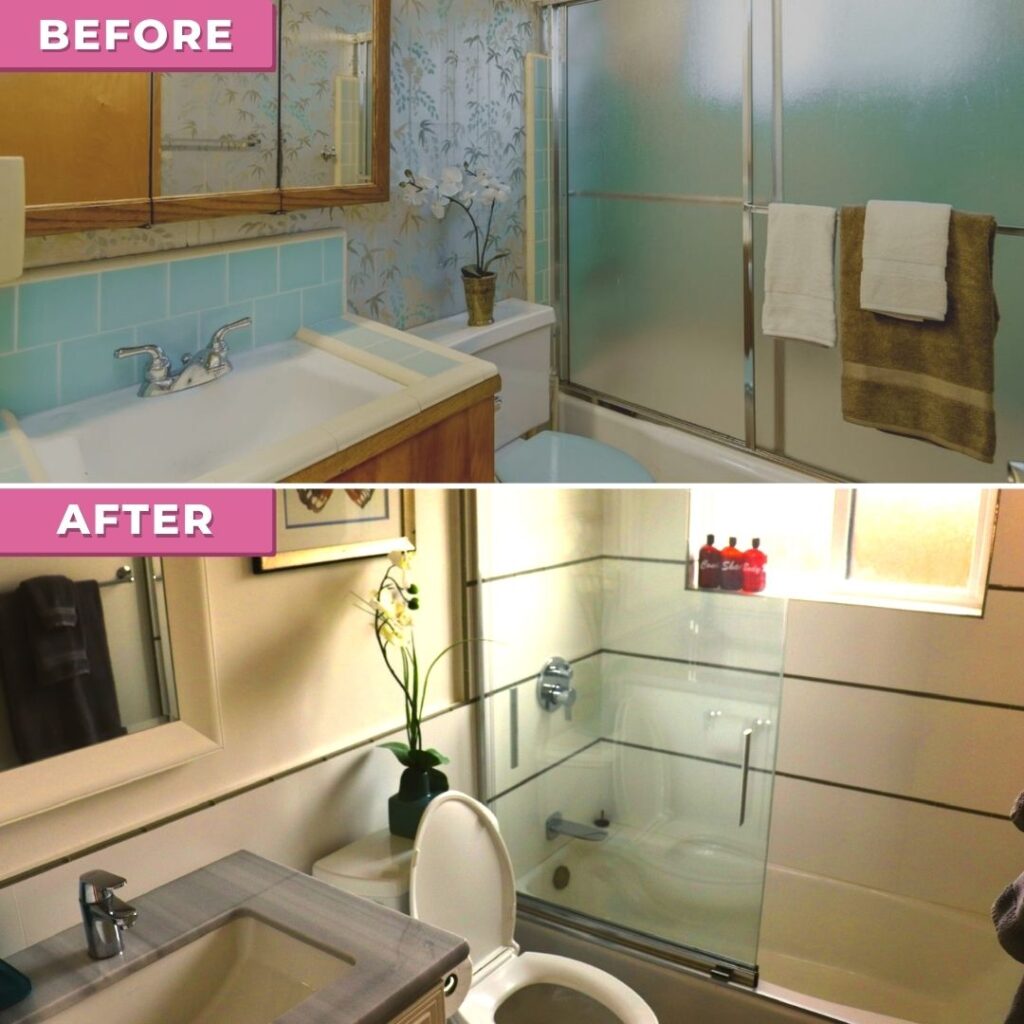
Ultimately, I was able to refinance and get my initial down payment back from the lender, and then after a year, I transitioned from long-term rental to short-term with AIRBNB.
At the end of his lease, my long-term renter destroyed several things in the house, so I decided the cash flow I was making at the time + dealing with the damages was not worth it to continue.
So this was the main reason I went with short-term rentals after, and as an investor, it was the best decision ever.
The short-term rental project quickly took off with an 80% occupancy rate. Shortly after, I started getting bookings almost every month and monthly positive cash flow.
After going through hurdles from a long-term rental to short-term rentals, my first property using the BRRRR Method was a success.
It just goes to shows that with real estate, there are multiple ways to be clever using leverage and strategy.