Economic Growth Does Not Equate to Financial Security
The poll’s findings are particularly striking given the current economic indicators. Despite an increasing number of jobs, growth in the gross domestic product (GDP), and a steady stock market, a significant portion of Americans are unable to plan and save effectively.
At the end of 2025 (Q4), 51 percent of Americans report they cannot plan beyond their next paycheck, and 46 percent lack enough to cover three months of expenses. With 1 in 4 Americans who have no emergency savings at all.
According to a report by Bloomberg, an astonishing 80 percent of Americans have experienced living paycheck to paycheck at least once.
Jennifer Jones Austin, CEO and executive director of the Federation of Protestant Welfare Agencies, one of the organizations behind the poll, pointed out the disparity: “The economy is booming, and yet many Americans are still gasping for air financially. They simply don’t have the breathing room to plan beyond their present needs.”
Disparities in Savings and Financial Planning
According to the latest poll, there are significant discrepancies in savings habits among Americans. Shockingly, 24 percent of respondents admitted to having no savings at all, while roughly 27 percent reported having saved enough to cover six months of expenses.
The surveys also reveal that financial struggle has crept well beyond low-income households. The gap between higher-income wage growth and lower-income wage growth is the highest it has been since 2016 and the middle-class Americans are increasingly feeling that squeeze.
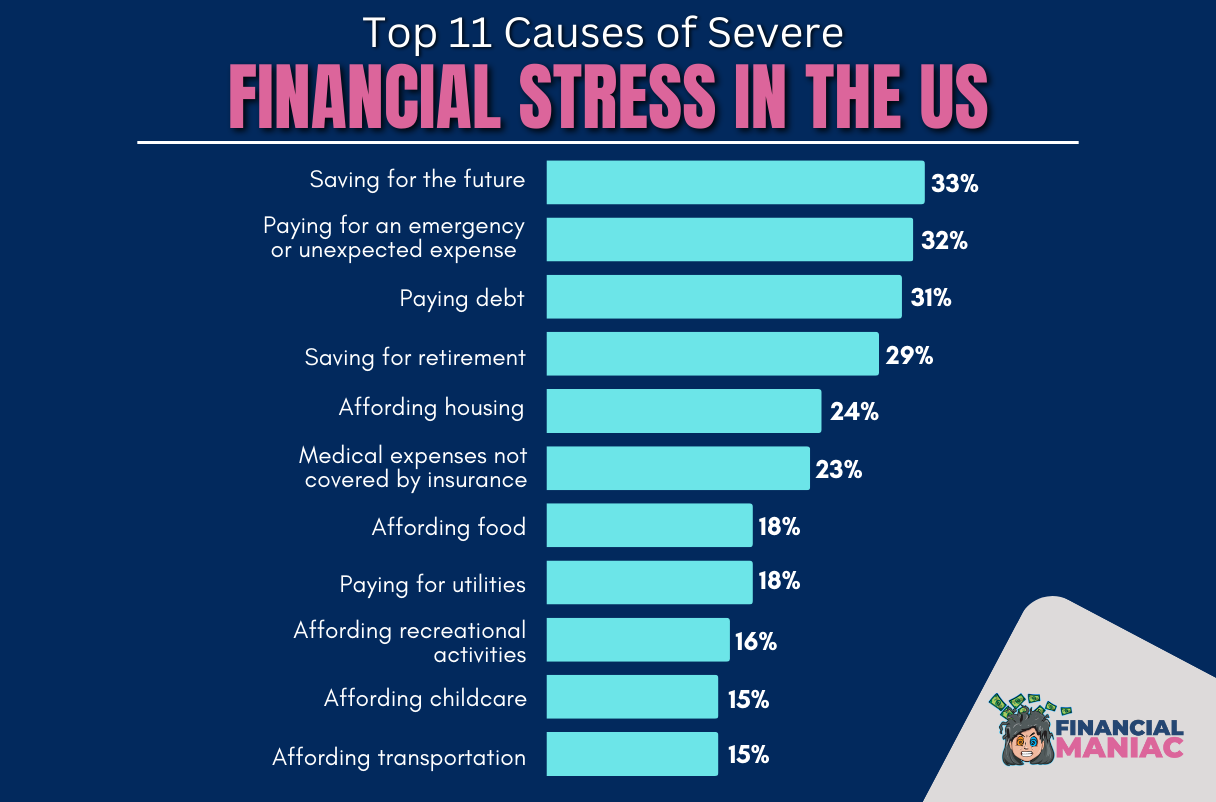
For many, it’s not just about tightening budgets, it’s about grappling with difficult choices about which bills to prioritize, underscoring the persistent challenge of meeting essential financial obligations. This data sheds light on the widespread financial difficulties faced by many individuals across the country.
The Need for Financial Resilience
Middle-class Americans need better financial stability. While the economy seems strong, many people are still struggling.
Financial planning and savings remain out of reach for a significant portion of the population, indicating a disconnect between economic growth and personal financial stability.
Addressing these Challenges Requires a Multi-faceted Approach
As policymakers and organizations evaluate these findings, it is important to tackle the underlying factors contributing to this widespread financial strain.
Key issues include:
- Stagnating wages
- Rising costs of living
- Inadequate access to affordable healthcare
- The burden of student loan debt
If targeted actions are not taken, the financial situation of middle-class Americans may worsen despite positive economic trends.
Recommendations: Here are some of my favorite books in personal finance!
Check out this Instagram post here to learn more!
Disclaimer: As an Amazon Associate, I earn commission from qualifying purchases.